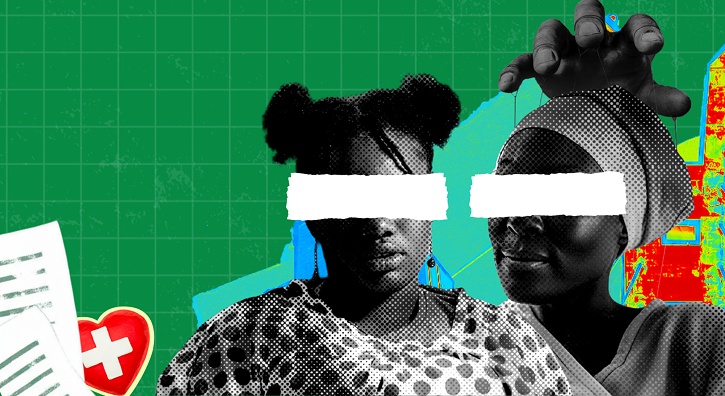



“Health is fundamentally a political choice – a choice that is made in laws, regulations and policies, but also in budgets, and decisions about how economies are structured.”
– Dr Tedros Adhanom Ghebreyesus, Director-General, World Health Organisation.
Health systems are ultimately shaped by political choices. Decisions about financing, governance, and service delivery determine who can access care, when they receive it, and at what cost. In Nigeria, where an estimated population of 232 million people depend on a health system facing persistent resource constraints, the consequences of those choices are increasingly visible.
While decisions about healthcare are becoming more urgent, the gap between policy intent and implementation remains significant. During the 2026 budget defence, the Coordinating Minister of Health revealed that only ₦36 million had been released from the ministry’s ₦218 billion capital allocation for 2025, highlighting the challenges that continue to undermine the delivery of health services despite ambitious commitments.
With just over 21 million Nigerians covered by some form of health insurance, 70% of healthcare-related expenses in Nigeria come from out-of-pocket payments at the point of use, placing a financial strain on households and often delaying access to care.
Recent reforms that replaced the National Health Insurance Scheme (NHIS) with the National Health Insurance Authority (NHIA) shifted health insurance from a voluntary scheme to mandatory coverage, aimed at reducing inequality, improving accessibility, and strengthening financial protection across the system. To drive compliance, in 2025, President Bola Tinubu issued a directive mandating all Ministries, Departments, and Agencies (MDAs), along with all entities participating in public procurement, to implement health insurance in line with the NHIA.
How financing shapes access to healthcare
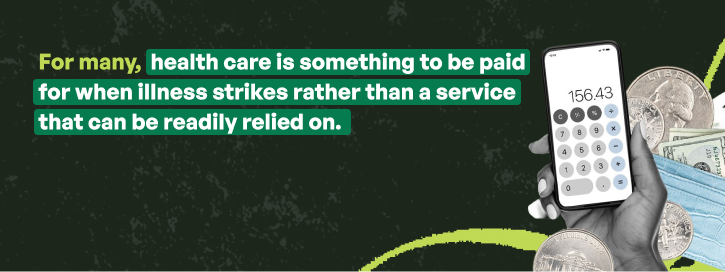
Compulsory insurance is expected to help reduce income inequality, which remains relatively high in Nigeria compared to peer countries. For many, especially those in rural areas or working in the informal sector, health care is something to be paid for when illness strikes rather than a service that can be readily relied on. This pattern reflects deeper structural issues that have persisted over time.
Data from the World Health Organisation (WHO) Global Health Expenditure Database shows that Nigeria’s Current Health Expenditure as a percentage of Gross Domestic Product averaged around 4% between 2016 and 2023. Given the country’s population, disease burden, and ambitions for universal health coverage, this level of investment remains low and points to a broader issue of how health is prioritised within national planning, a pattern that has remained largely unchanged across successive administrations.
The consequences of these financing constraints are evident across the health system. The Lancet Nigeria Commission highlights longstanding challenges, including fragmentation across federal, state, and local levels, persistent inequities in access to care, and chronic underinvestment in primary healthcare. While reforms such as the Basic Health Care Provision Fund have sought to strengthen health financing and expand access to primary care services, progress in health outcomes has been uneven. As a result, access to healthcare in Nigeria continues to be shaped as much by an individual’s ability to pay as by their health needs.
Who shapes the system, and who is accountable?
Nigeria’s health system is not short of actors. Federal, state, and local governments all have a role, yet responsibilities often overlap, creating gaps in accountability and implementation. Plans made at one level do not always show up at another, contributing to persistent weaknesses in service delivery. As a result, the way the system is financed and governed continues to shape who can access care, when they receive it, and the quality of services available.
The private sector is already a significant part of care delivery in Nigeria, and for many people, is the first point of contact for both routine and emergency care. Despite its importance, integration between private and public providers remains limited. Donors have long shaped health interventions, often reflecting their own priorities, playing a major role in immunisation, maternal health, and nutrition. While these programmes have made a difference, they have also contributed to a system that feels pieced together, with initiatives running alongside each other rather than working as one. The resulting lack of coordination contributes to variations in the quality of care, creating challenges for patients navigating different levels of the health system and making it harder to build a system people can rely on no matter where they live.
The Sector-Wide Approach (SWAp) seeks to address this by reducing fragmentation, aligning funding with national priorities, and moving away from programmes that duplicate efforts without strengthening the broader healthcare system. However, as donor funding shrinks and global priorities shift, broader questions about long-term financing and health sovereignty are becoming increasingly prominent.
There have been efforts to fix some of these gaps. The Basic Health Care Provision Fund, established under the National Health Act in 2014, was intended to provide direct funding to primary health care and expand access to basic services. In October 2025, the Coordinating Minister of Health, Professor Muhammad Ali Pate—calling on Nigerians to take ownership of their health and signalling a renewed push to strengthen the system—noted that ₦32.9 billion had been released to primary health care facilities.
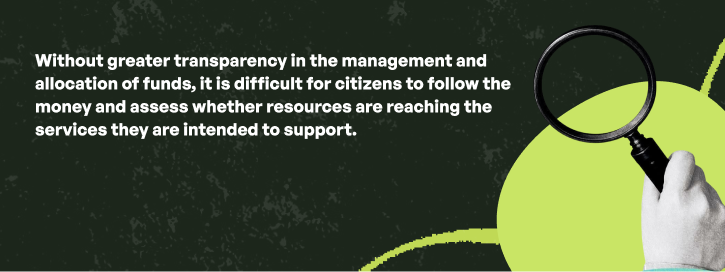
Despite the call, little has been done to provide clarity on how the fund was disbursed, making it hard for communities to monitor spending and hold decision-makers accountable. The Supreme Court’s affirmation of the financial autonomy of Nigeria’s 774 local governments should, in principle, mean primary health care decision-making is closer to communities and makes the system more responsive. However, without greater transparency in the management and allocation of funds, it is difficult for citizens to follow the money and assess whether resources are reaching the services they are intended to support.
What happens if nothing changes?
The consequences of these governance and financing challenges are evident in health outcomes across the country. For many women, pregnancy and childbirth still come with real risks, often shaped by delays in getting care or the quality of care available when they arrive. Preventable maternal deaths and adverse outcomes continue to expose persistent gaps in the health system. In some parts of the country, children still miss routine vaccines, leaving communities exposed to diseases that should no longer be a threat. Malnutrition also remains a concern, not only because of food availability, but also because health, nutrition, and social support systems are not working together consistently.
Young people face their own challenges. Access to sexual and reproductive health services is still uneven, and many are left to navigate these issues without the information or support they need. These challenges reflect broader inequities within the health system, where access to care continues to be shaped as much by income and location as by need.
The result is that many people delay seeking care until conditions worsen or rely on the services they can afford rather than those most appropriate to their needs. Over time, this reinforces disparities in health outcomes across regions and socioeconomic groups.
With elections approaching, there is a window to shift how health is prioritised at the federal, state, and local levels. But without stronger coordination, greater accountability, and more effective use of available resources, progress is likely to remain uneven, leaving many Nigerians excluded from the benefits of a health system intended to protect and improve their well-being.
What needs to be done?
In many countries, elections are shaped by public expectations on issues like health. In Nigeria, this link is not always as strong. Ahead of the 2019 elections, Nigeria Health Watch, in collaboration with NOIPolls, carried out a survey under the #Vote4HealthNaija campaign to understand what drives voting decisions. Despite health ranking high among the priorities Nigerians care about, it has not consistently translated into clear or detailed health commitments in political manifestos.
The COVID-19 pandemic brought health to the centre of national attention. It showed what happens when systems are stretched and why preparedness matters. It would be easy to assume that this experience would shift how health is prioritised. But subsequent budget allocations and releases paint a different picture. During the 2026 budget defence, the Coordinating Minister of Health and Social Welfare confirmed that only ₦36 million was released from the ₦218 billion capital allocation for the ministry in 2025.
If the goal is to avoid repeating the same patterns, then it is not enough to allocate funds on paper; change has to begin with how health is treated within the broader political and economic system, where it is no longer peripheral but central to decision-making, with funding released and accountability built into its delivery.
There are several areas where practical action could shift outcomes if health is to be treated as central to governance rather than peripheral to it.
Financing must become more predictable and transparent. A key starting point would be a commitment by the federal government to release at least 50% of capital health budget allocations within each fiscal year, supported by quarterly public reporting. The issue is not only the overall level of health spending, but whether allocated funds are actually released and used for their intended purposes. Strengthening public financial management systems and improving reporting clarity will be essential to ensuring accountability beyond government institutions.
Primary healthcare must also be repositioned as the foundation of the system rather than an afterthought. This requires sustained investment in frontline facilities, adequate staffing, and reliable access to essential medicines and supplies. It also depends on ensuring that existing reforms, including the Basic Health Care Provision Fund, translate into visible improvements in service delivery at the community level.
Improved coordination across actors is equally critical. Stronger alignment is needed between federal, state, and local governments, alongside more deliberate integration of the private sector, which already plays a central role in service delivery. The objective should be not only the presence of multiple actors within the system, but their ability to function in a more coherent and complementary way.
Finally, accountability must be embedded as a routine feature of the health system rather than treated as an external requirement. While policy frameworks already exist, the key challenge lies in ensuring consistent implementation, effective monitoring, and timely adjustment when interventions are not delivering intended results.
What people can do
Change cannot come from government alone. Citizens, advocates, and other stakeholders all play a role.
For citizens, this starts with recognising that health is not only a service but a right that can be demanded. Asking questions about local health facilities, tracking whether services are available, and engaging with local leaders are all part of this. With local government autonomy, there is now a greater opportunity for communities to be more involved and hold those closest to them accountable. This would, of course, require transparency in fund disbursements. Elections also provide an important moment to push for clearer commitments on health and to hold leaders accountable for them.
For civil society and health advocates, staying consistent and visible is essential. Advocacy cannot only happen during crises or around major events. It needs to be sustained, evidence-based, and connected to what people are experiencing on the ground. There is also a role in translating complex policy and financing issues into language that communities can understand and act on.
For policymakers, the task is to move beyond statements of intent. This means making decisions that reflect the importance of health, ensuring that funds are released and used effectively, and creating space for feedback from those who rely on the system.
At its core, this is about recognising the political economy of health. Decisions about health are shaped by priorities and trade-offs. Changing outcomes will require shifting those choices so that health is treated as a shared responsibility and a long-term investment in the country’s future. This goes to the heart of why health is a political choice that is ultimately shaped at its core by how resources and priorities in the country are set, and where citizens demonstrate their agency, and as Chude Jideonwo stated in his 2014 TEDxEuston talk, the most important office in a democracy is the “office of the citizen”.
—
Vivianne Ihekweazu is the Managing Director of Nigeria Health Watch, leading strategy and advocacy to improve health access in Nigeria. She works at the intersection of policy, communication, and public engagement, focusing on inequities affecting women and underserved populations and how trust, evidence, and narratives shape health outcomes, accountability, and decision-making.